Pay in installments of $5.43 with
 ,
,
 and
and

Shipping Estimate
USA
- USA
- CAN
- USA
- CAN
Ships within 48 hours · Estimated delivery Sep 30 - Oct 5
 Promo Codes Available:
For Your Every Summer RSVP, with Code: SUMMER15
Description
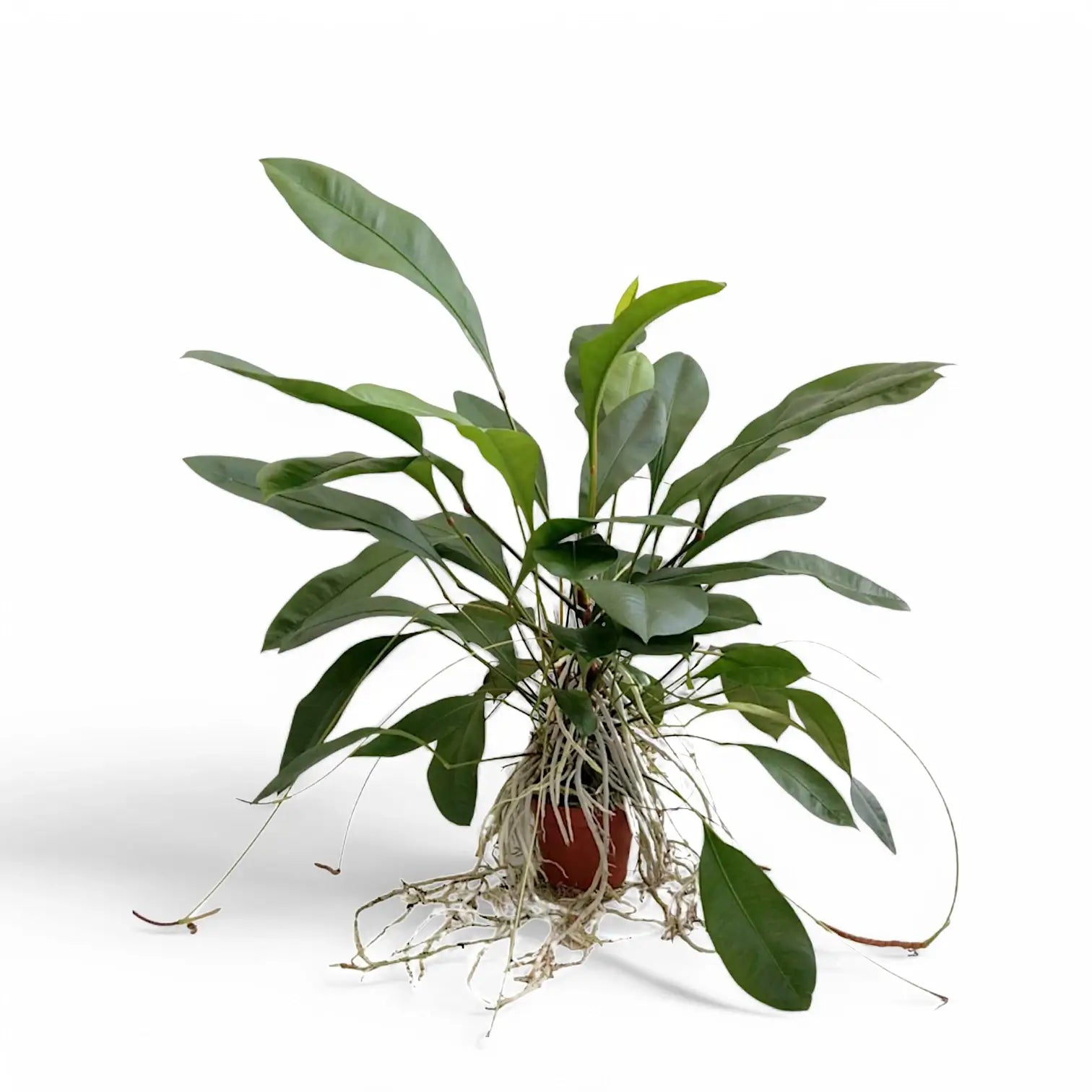
anthurium gracilis red pearls Anthurium gracile – Epiphytic Strap Anthurium with Red BerriesAnthurium gracile Narrow oblanceolate leaves, short stems, and white roots give Anthurium gracile a compact epiphytic structure. Indoors, it needs a modest root zone, upright leaf space, and air around the roots. The plant is native across a broad tropical American range, from Trinidad through Central and South Tropical America. In a pot, its epiphytic root system points to a modest container, open substrate, and watering that avoids a large volume of
Anthurium gracile
Narrow oblanceolate leaves, short stems, and white roots give Anthurium gracile a compact epiphytic structure. Indoors, it needs a modest root zone, upright leaf space, and air around the roots.
The plant is native across a broad tropical American range, from Trinidad through Central and South Tropical America. In a pot, its epiphytic root system points to a modest container, open substrate, and watering that avoids a large volume of wet mix around a smaller root zone.
Narrow-leaf details in Anthurium gracile
- Leaf shape: Narrow oblanceolate blades with tapered bases and pointed tips.
- Growth habit: Upright epiphytic subshrub with very short stems and short internodes.
- Root detail: White epiphytic roots that need air as well as moisture.
- Natural range: Native from Trinidad to Central and South Tropical America.
- Botanical fruiting: After flowering and pollination, the species can form bright red berries; indoor fruiting depends on conditions and pollination.
Small epiphytic root zone of Anthurium gracile
Anthurium gracile grows from a short stem with a modest root zone and narrow leaves. It sits best in a pot that dries at a steady pace, with a coarse mix that holds some moisture while leaving air pockets around the roots.
Because the blades are thinner than thick, leathery Anthurium leaves, placement matters. Keep the plant away from direct sun and very dry air, and give the leaves a clear position where they are not pressed against glass or hard surfaces.
Compact-pot care for Anthurium gracile
- Light: Bright filtered light gives the narrow leaves enough light exposure while reducing direct-sun scorch risk.
- Watering: Water when the upper mix has started to dry, then drain the pot fully.
- Substrate: Use a fine-to-medium chunky aroid mix with bark, perlite, pumice, or coarse fibre.
- Pot size: Keep the pot close to the root size so the lower substrate does not remain wet for too long.
- Humidity: Moderate to high humidity reduces dry edges on the thinner blades.
- Temperature: Keep it warm and away from cold draughts or cold windowsills.
- Feeding: Use light, regular feeding during active growth rather than strong doses on a small root system.
Small-pot stress signals in Anthurium gracile
- Root stress after watering: Often linked to an oversized pot, dense substrate, or weak drainage.
- Brown edges: Dry air, irregular moisture, or root decline can mark the narrow blades.
- Scorch: Direct sun can damage the thinner leaves quickly.
- Weak new growth: Check light, warmth, and root condition before changing the watering routine.
- Leaf marking: Narrow blades can crease or spot when they rest against glass, shelves, or neighbouring pots.
Chewing and sap safety for Anthurium gracile
Anthurium gracile is not pet-safe. The leaves, stems, and roots contain calcium oxalate crystals that can irritate the mouth, throat, skin, and eyes if chewed or handled roughly.
Botanical background of Anthurium gracile
Anthurium gracile (Rudge) Lindl. was first published in Edwards’s Botanical Register 19: t. 1635 (1834). It belongs to Araceae and is native across a wide tropical American range. The genus name Anthurium combines Greek roots for flower and tail, referring to the spadix that characterizes the genus.
A modest pot, warm filtered light, and an airy mix match its narrow leaves and compact epiphytic root system.
Shipping Notes
- Free Standard Shipping on $100+ Orders to the USA.
- Except Preorder products are shipped in 48 hours.
- Delivery to the USA:
- Standard Shipping : 3-10 business days
- If time is of the essence, please consider selecting expedited delivery for faster service.
Exchange/Return Notes
- We offer a 30-day return/exchange service after receiving.
- Final sale items are not eligible for returns or exchanges.
- To process your return/exchange, please contact us at [email protected]
- Please click here for more details>>> Return & Exchange Policy